Enquiries & sales
- Website enquiries logged and sent to the right person
- Instant first reply, follow-up reminders
- Quotes started from a template, not a blank page
I automate the routine work in small and growing companies: enquiries, project set-up, invoicing, payment follow-up, documents and reports. Some of it needs AI and most of it doesn't. I'll tell you which is which, and build it on systems your company owns.
If someone in your company does the same steps every day or every week, a system can probably do them. These are the areas where I find the most hours.
Most automation is plain rules: when this happens, do that. It's fast, cheap to run, and does the same thing every time. AI adds value where the work means reading, understanding or writing language. Many good systems use both.
Triggers, schedules and connections between your tools. Every step can be traced, and it costs almost nothing to run.
AI can handle unstructured input, like customer messages, scanned documents and long PDFs. People still review its output where mistakes would cost money.
Your data doesn't have to go to a third party. AI models can run on a server or workstation in your office, next to your private cloud. Nothing leaves the building, and there's no per-message bill.
I run both kinds of AI in my own company today. An AI assistant answers customer chats on our websites and hands over to a person when needed. A local model on our own machines turns PDF documents into searchable text.
Automation is only as good as the systems underneath it. Where those don't exist yet, I build them too. You get one person from scoping to handover, a fixed quote before work starts, and written documentation when it ends.
Connect the tools you already use, and replace the copy-paste routines that take up your team's week.
One place for projects, tasks, invoices and payments: a single source of truth that automation can work from.
A private alternative to Google Drive or Dropbox, on a server you own or rent. It can also host your private AI.
I built both of these for my own team first. They handle live projects, real invoices and real files every day. Work that used to be done by hand now happens on its own.
A design team had projects in one spreadsheet, invoices in another and files in a third place. I built Z-Flow on top of OpenProject (open source). It added three custom modules for the work the team actually does: project lifecycle, invoicing and workforce.
Opening a project now does the set-up by itself. The project gets its number and its folder tree, and the right people are notified. Every project moves through defined stages, from enquiry to financial close. Payment status is calculated from the payments themselves, so no one updates it by hand, and the ledger always shows who has paid, who has paid part, and what is overdue.
The team's files run on its own Nextcloud server, not a rented SaaS drive. There are no per-seat fees, and no third party holds the data.
A second server copies everything every night and keeps a week of snapshots plus database dumps. It pulls through a locked, read-only key, so the main server cannot be damaged from the backup side. Failover has been tested, and the switch-over steps are in a written runbook.
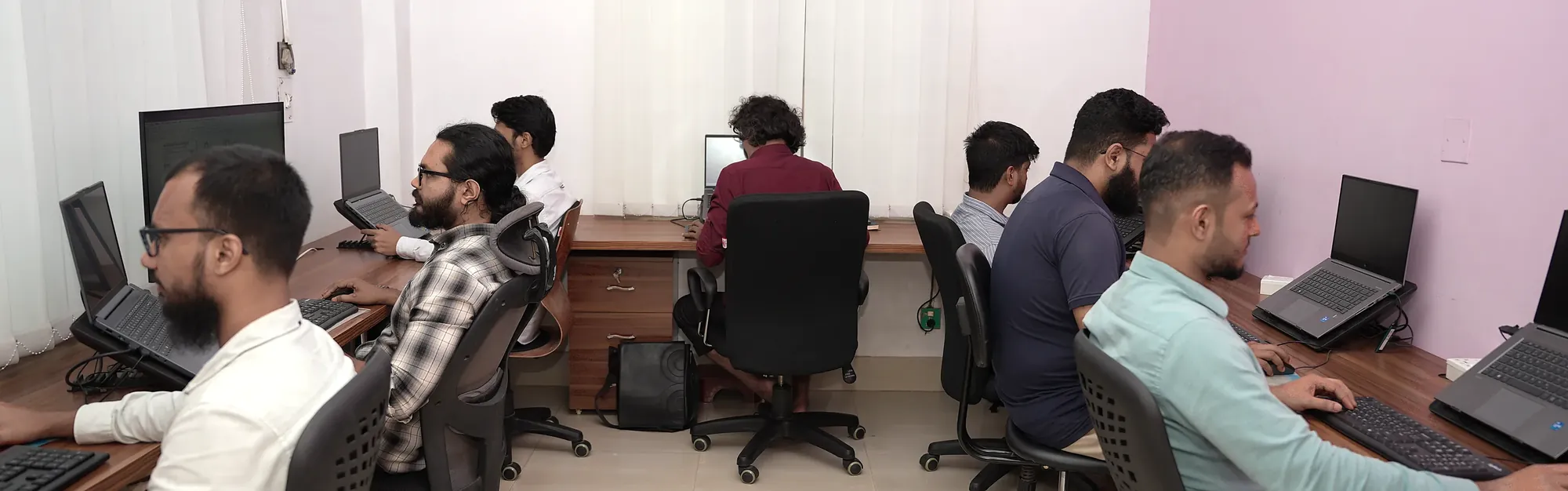
Real photos of your workplace instead of stock images. These are from a working studio, shot on a normal workday with no models and no staging, then colour-corrected and prepared for the web.
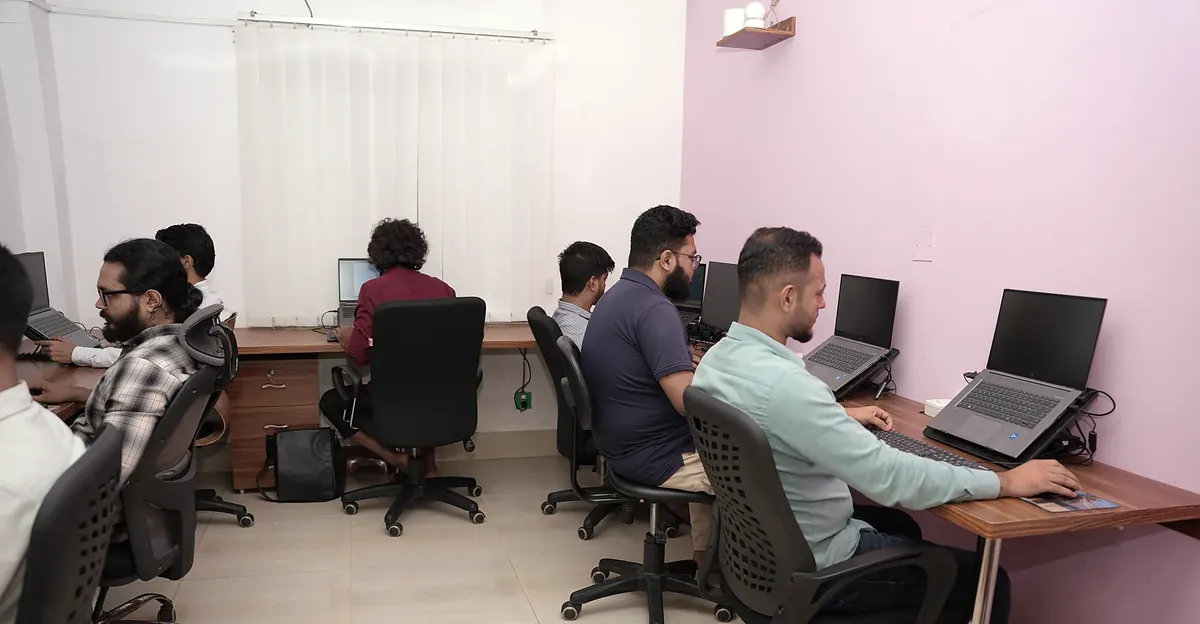

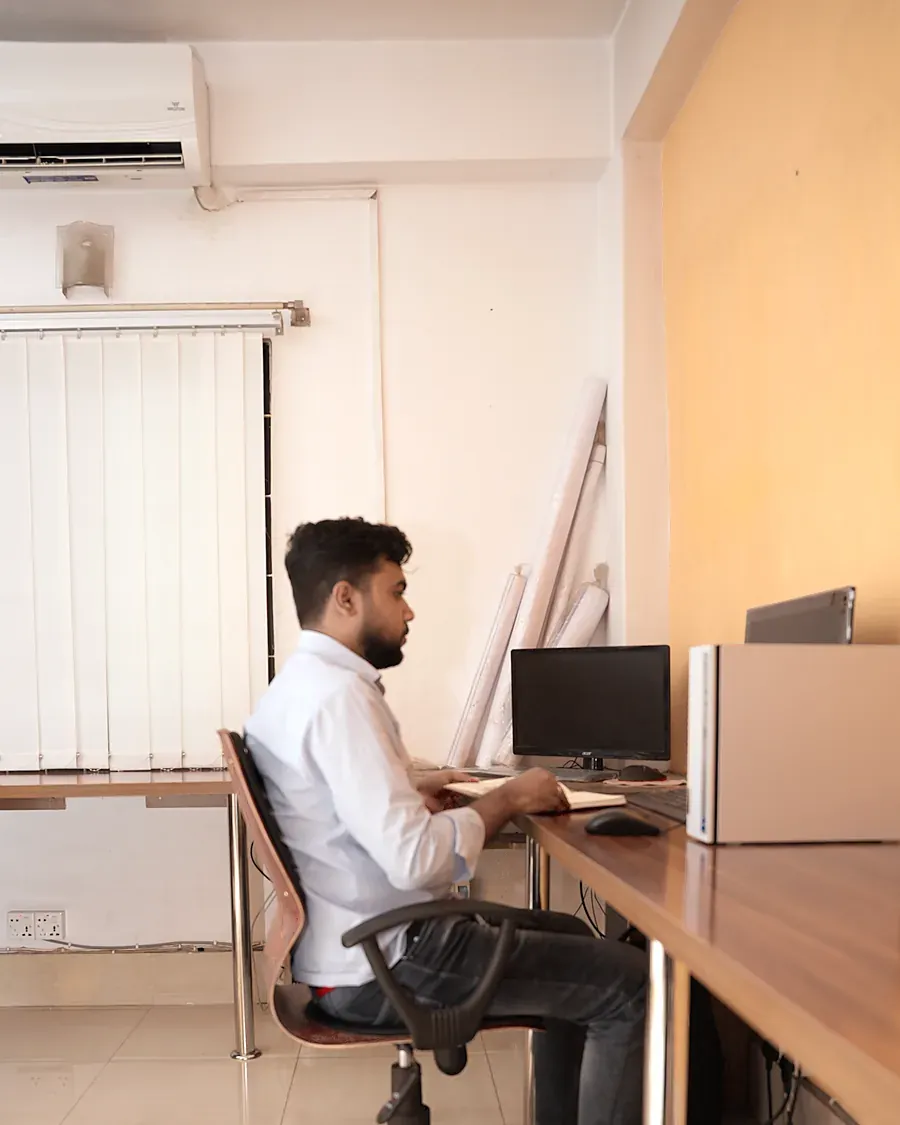
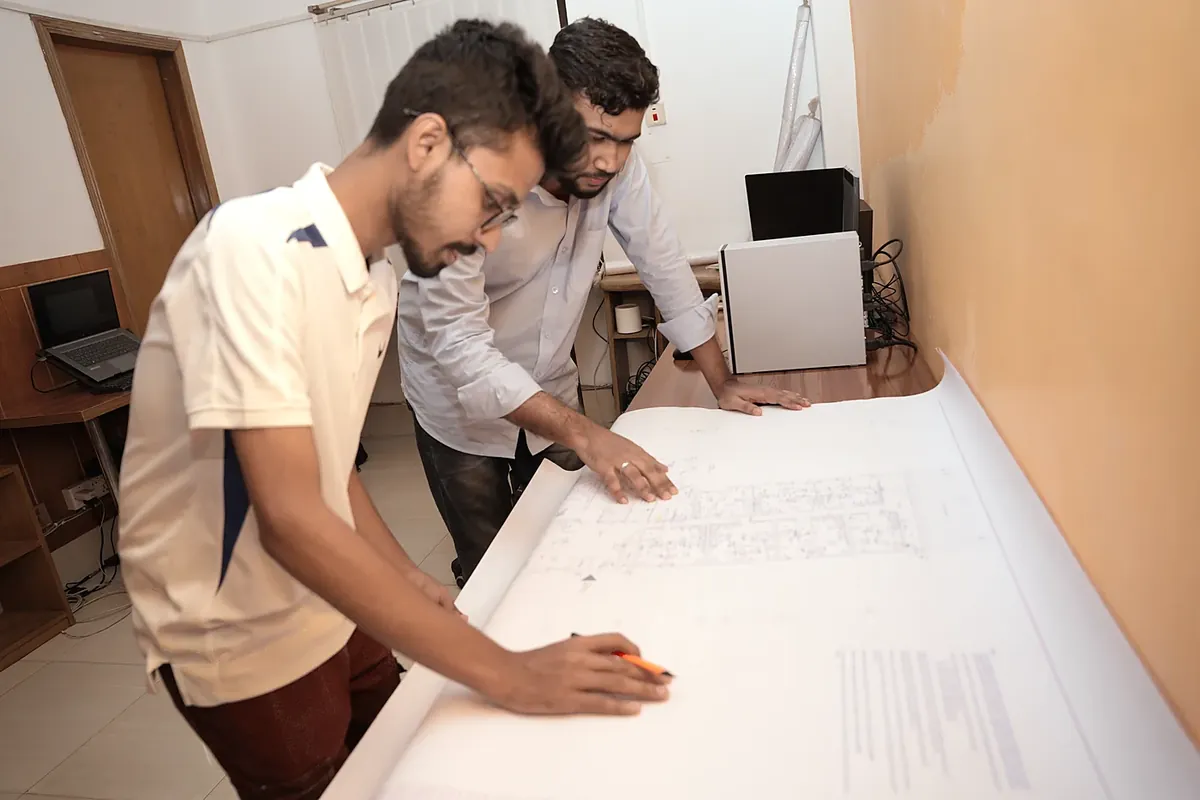
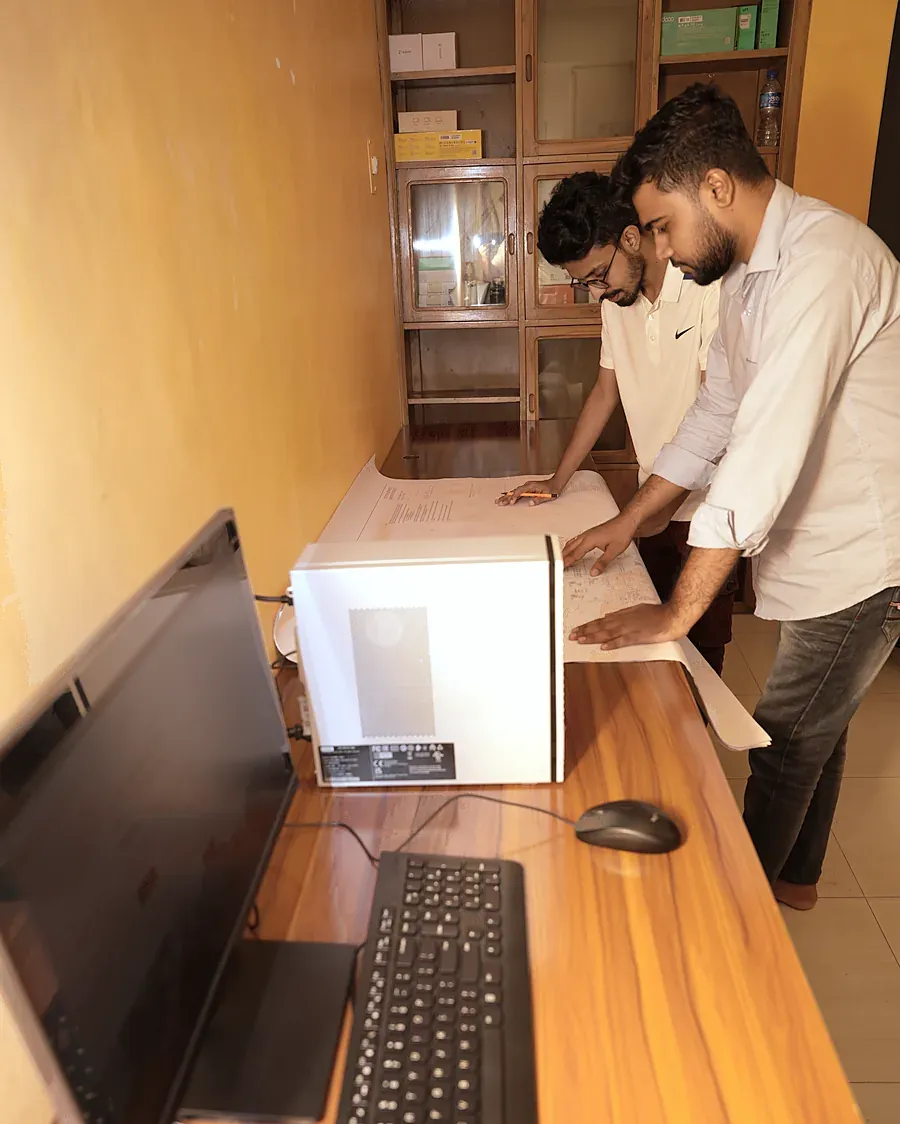
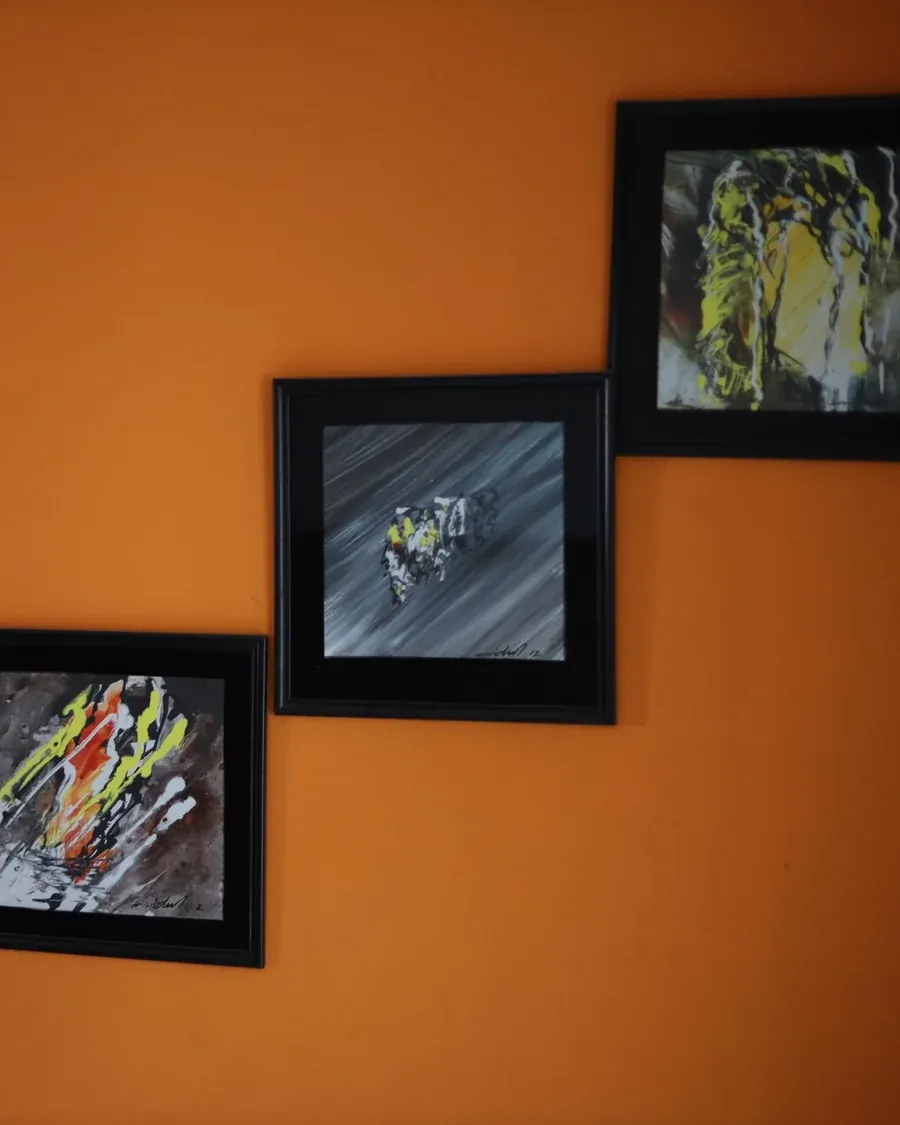
We agree a shot list before the day: the spaces, the people and the moments your website, profile or proposal needs. I shoot during a normal working day, so your team keeps working.
Every frame is colour-corrected and exported in web-ready sizes. Location and camera data are removed. Before delivery I check every screen, whiteboard, nameplate and document in shot at full size, so no client name or confidential detail goes public by accident.
Shoots in and around Dhaka. Ask for a quote with your office size and what the photos are for.
I run a technical studio in Dhaka. As it grew, I automated it piece by piece: how projects are opened, how invoices and payments are tracked, how files are stored and backed up, and how customer chats are answered. Most of it now runs without anyone touching it.
Every company has to automate now, and most don't know where to start or whether they need AI. I help small and growing teams with exactly that. You deal with the person who built and runs these systems, not an agency account manager.
I prefer open-source tools you can host and keep, plain documentation over lock-in, and a fixed price over open-ended hours.
Tell me in a few lines, and I'll reply within one working day with what can be automated and how.
Based in Dhaka, Bangladesh (UTC+6). Automation work for teams anywhere, and photography on location in Dhaka.